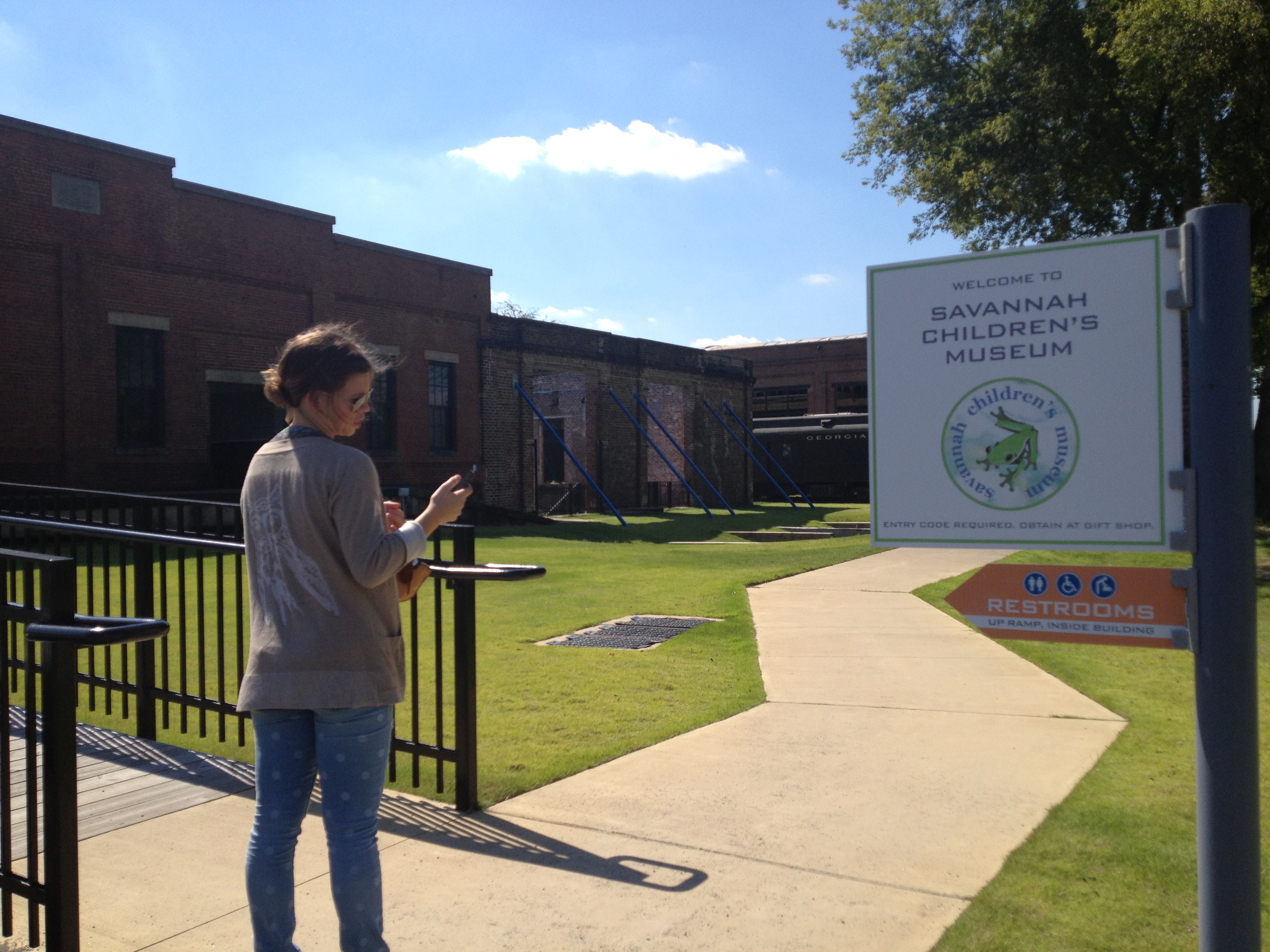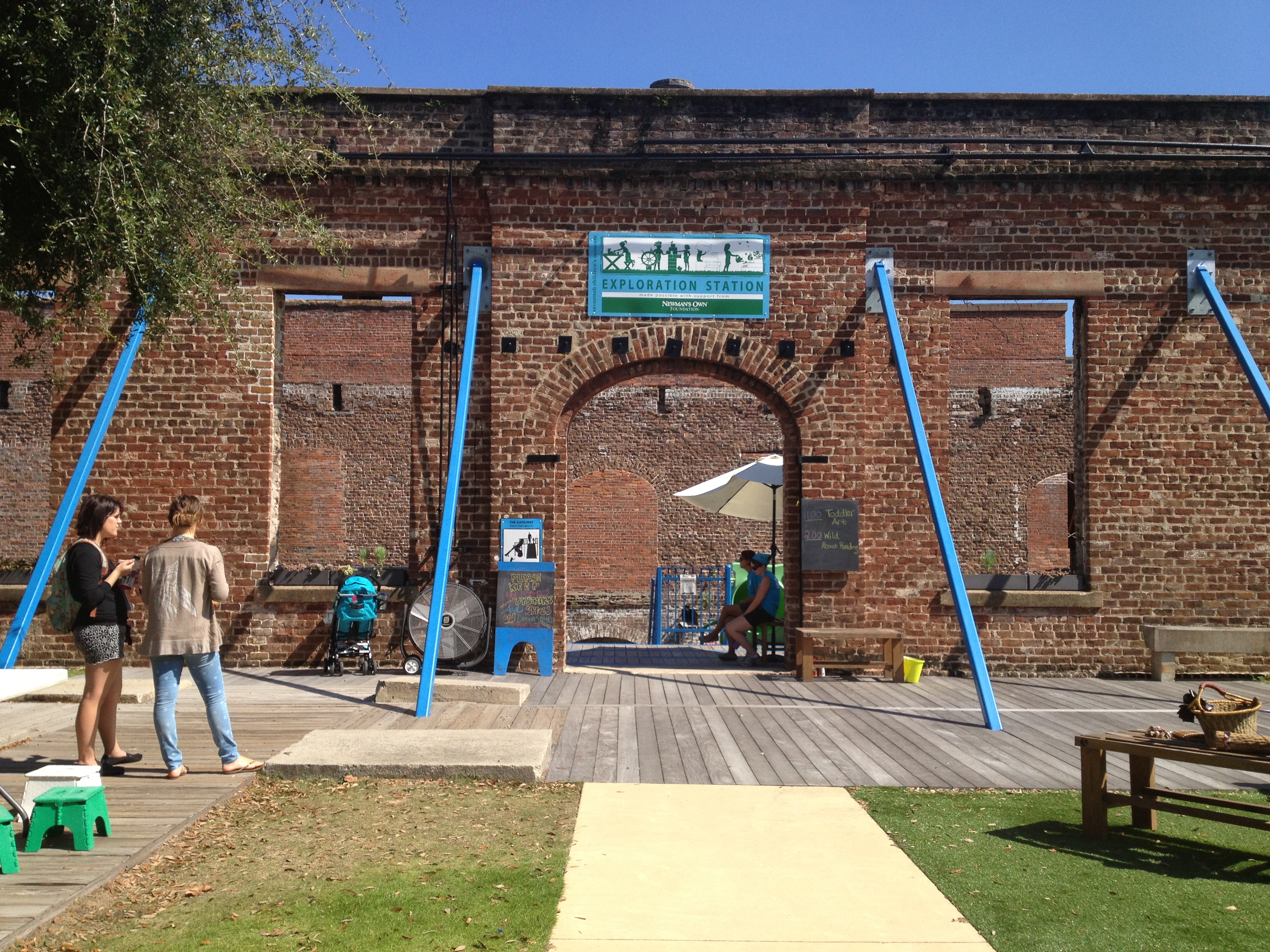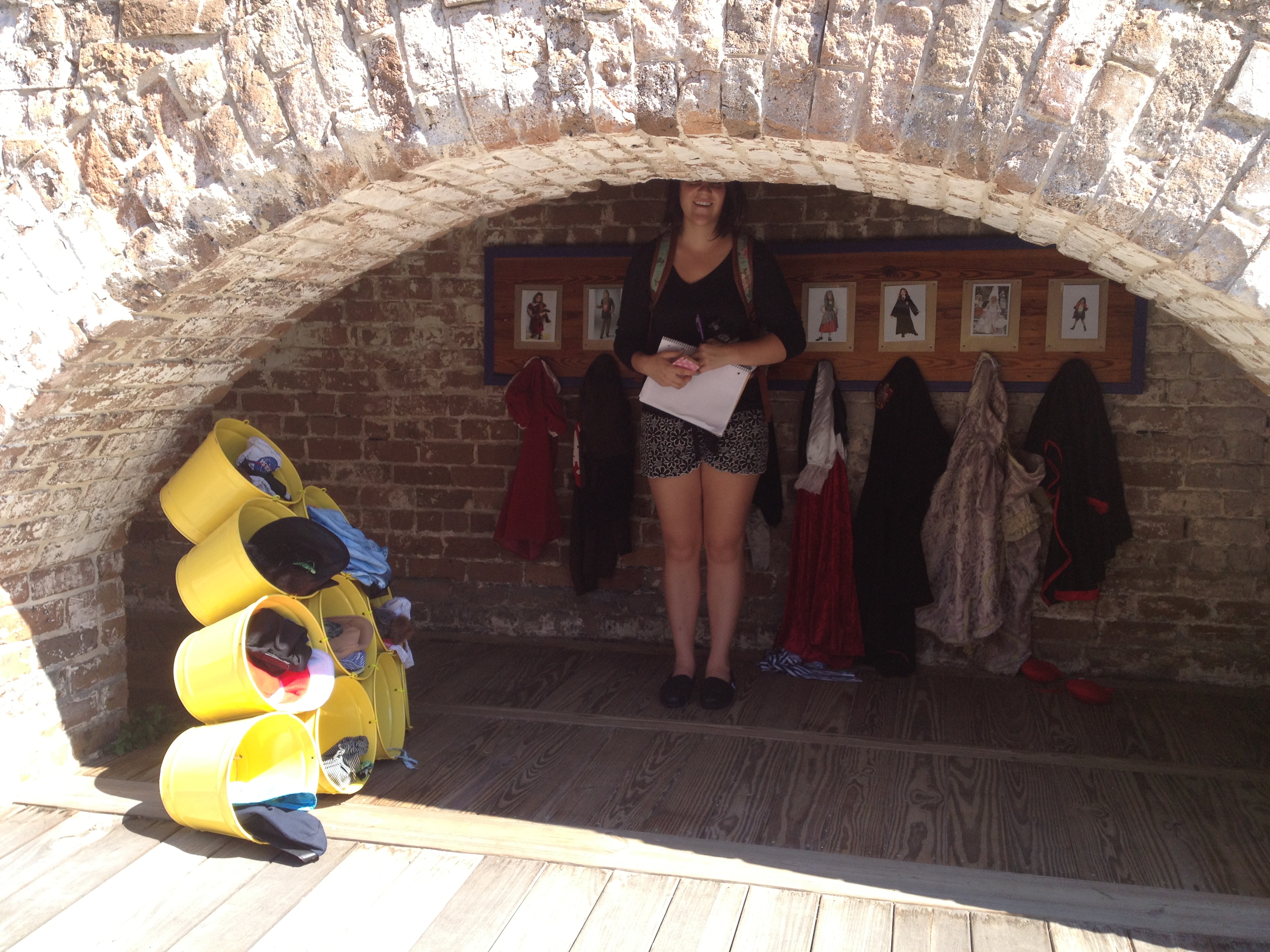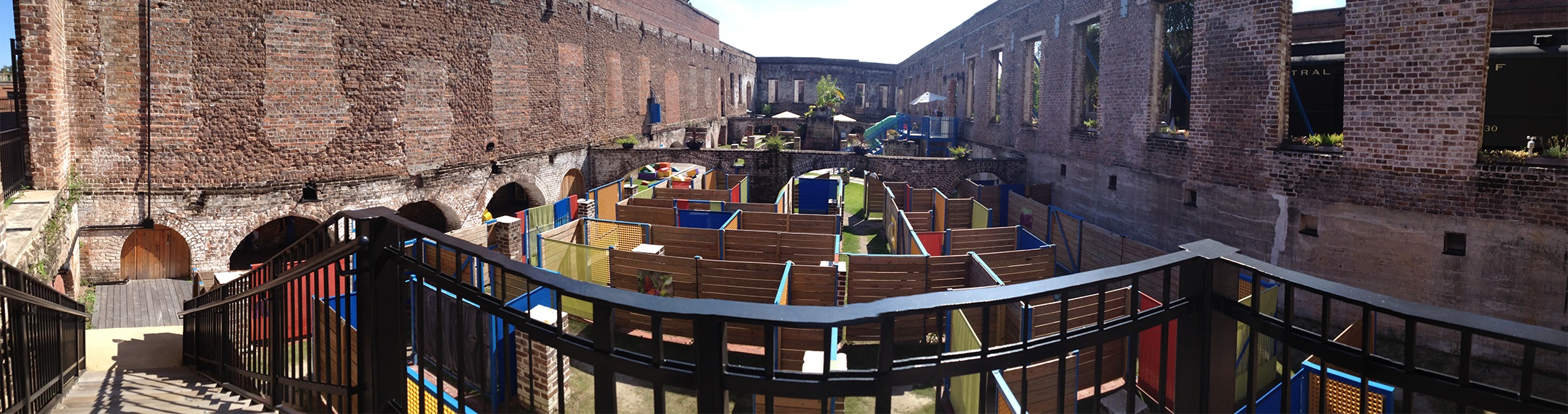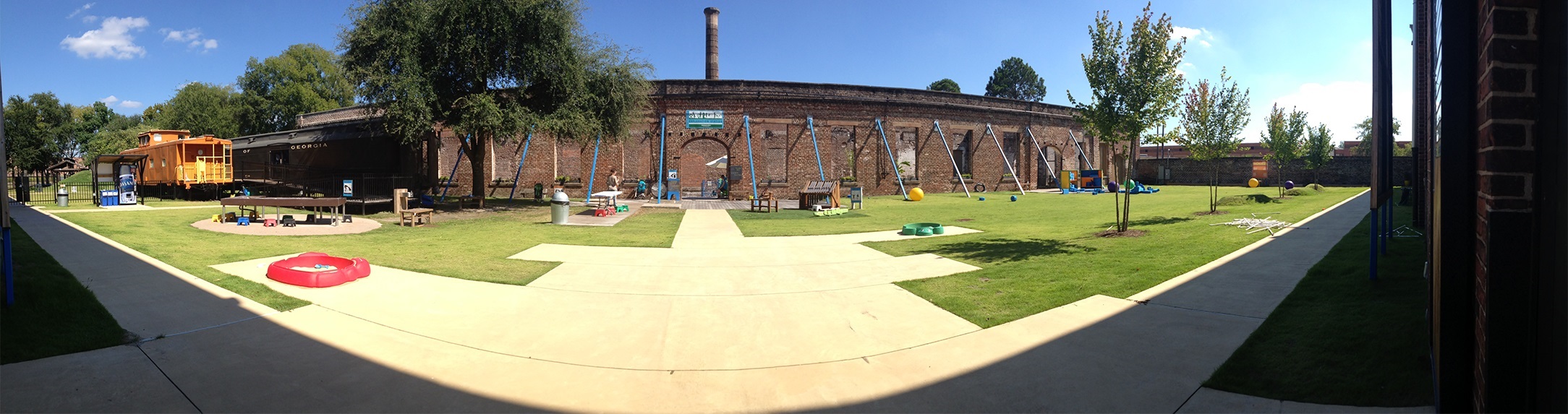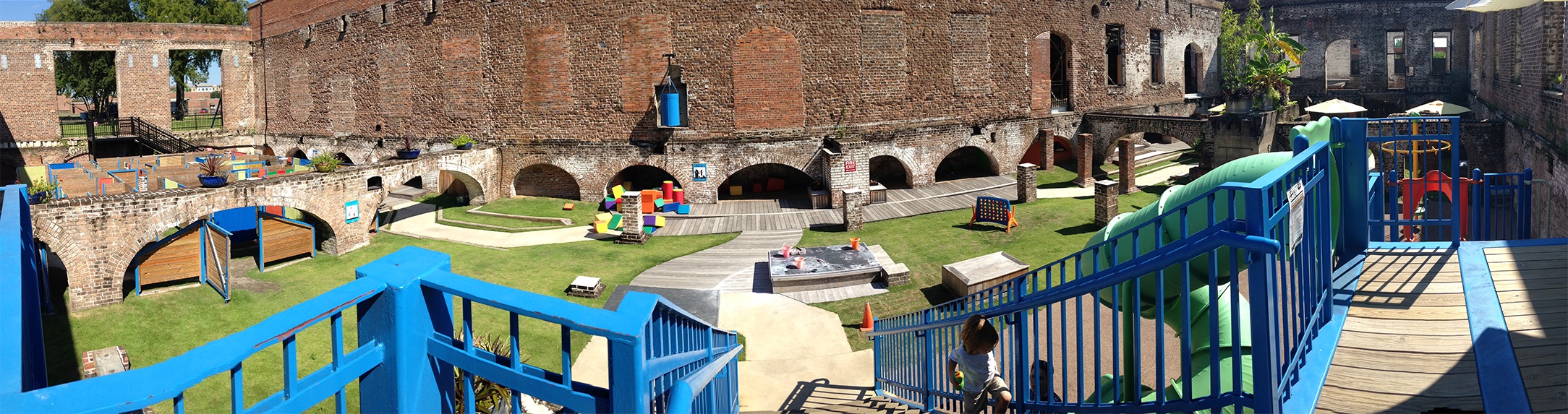
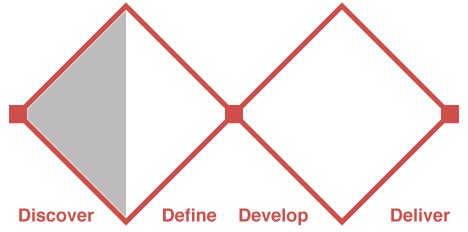
The purpose of this project was to take the first step of the double diamond process and "discover" a local museum in Savannah, Georgia. Our group of four was chosen to explore the experience of the Savannah Children's Museum. At the time of our project, the Savannah Children’s Museum was only one year old and still growing. The museum had only an outdoor facility and were in the process of creating an indoor facility.
As researchers our goal was to create a blueprint that documented the user experience of the service, as well as additional deliverables based off our observations and insights.
In order to gain a holistic understanding of the museum and gather real user stories, we practiced a variety of research methods.
Before visiting the site, we prepped ourselves with preliminary online research. Our research covered the Savannah Children’s Museum on Yelp, Facebook, and the museum's website. We took note of the museum's online presence and what was being said in reviews left by users, as well as the general emotions and what caused users to experience them. Researching online allowed us to collect a large amount of data easily and gave us a good introduction on how users felt about the service.
At the location itself, our group took on roles of observers. As observers acted as "flies on the wall" and followed how both customers and staff interacted within the service. We took plenty of photographs of the site and picked up flyers and pamphlets as physical artifacts. Through several trips to the site, the team noted the museum's space, objects, stakeholders, triggers, sensory, and emotions at each step of the service. This list of observations were later recorded and organized in our service blueprint.
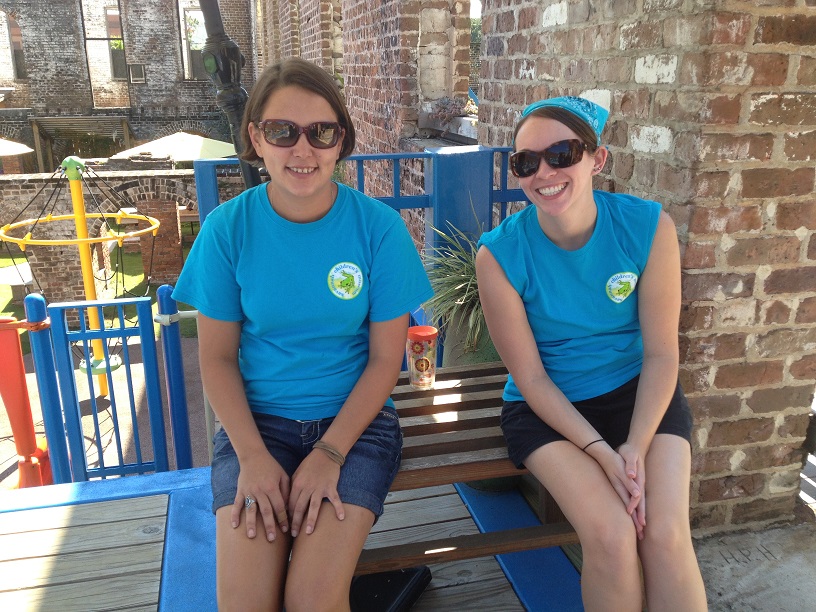
We also conducted contextual interviews with the staff and customers. Staff was more than willing to share their experience with us; in fact, they even let us enter the museum for free! For our interviews we asked questions such as:
This actually took us several visits to the site to make sure we had enough information that accurately represented the users. We rewrote our questions to be more unbiased and open rather than focusing on what we personally believed were key problems.
Later on we developed a paper survey that we asked users to fill out in order to judge the expectations and needs of the customers.
Improving the way we inquired the users allowed us to discover new user stories and what they valued in the service.
We found that customers were educators, parents, tourists, and children. Staff were divided into roles such as educators, entertainers, shop assistant, and maintenance. The following are some quotes and points taken from the users we interviewed and surveyed:
By interviewing guests, we discovered common pain points were locating the museum and the museum being an outdoor facility subjected to the weather.
Stakeholders were additionally concerned about their ability to aid guests due with how the current service worked and the museum's potential growth constrained by lack of funds.
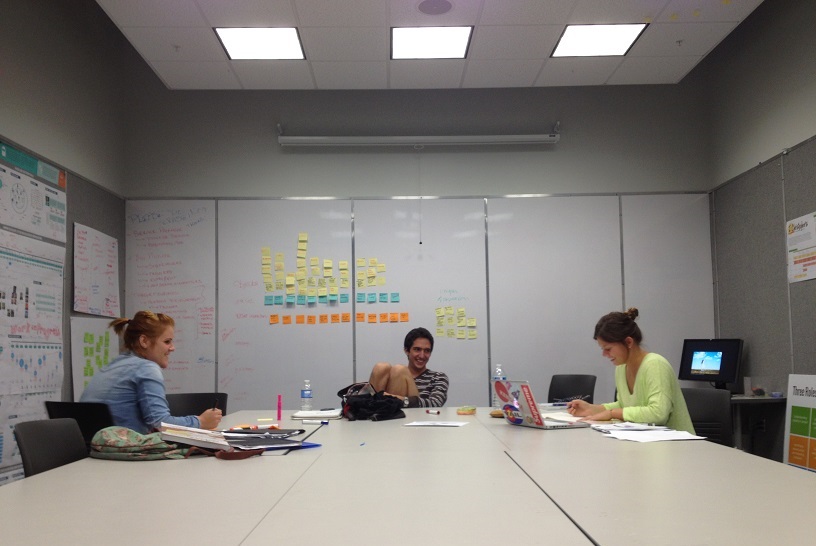
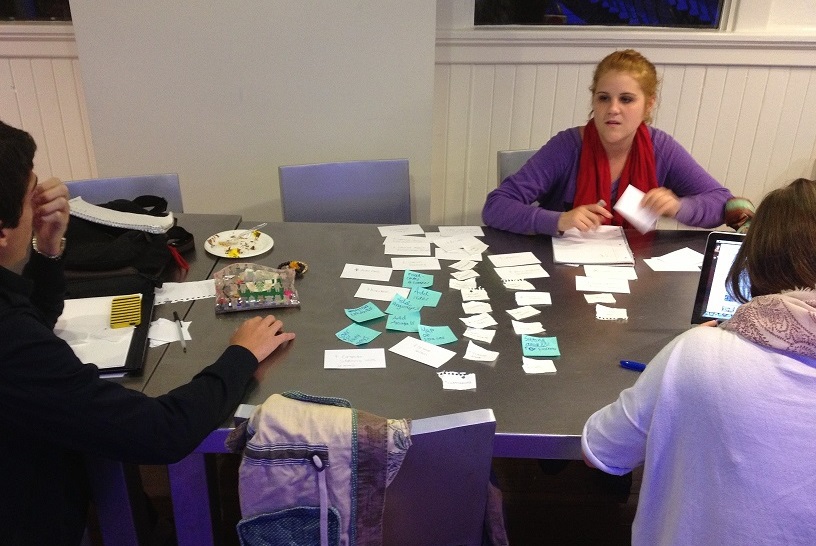
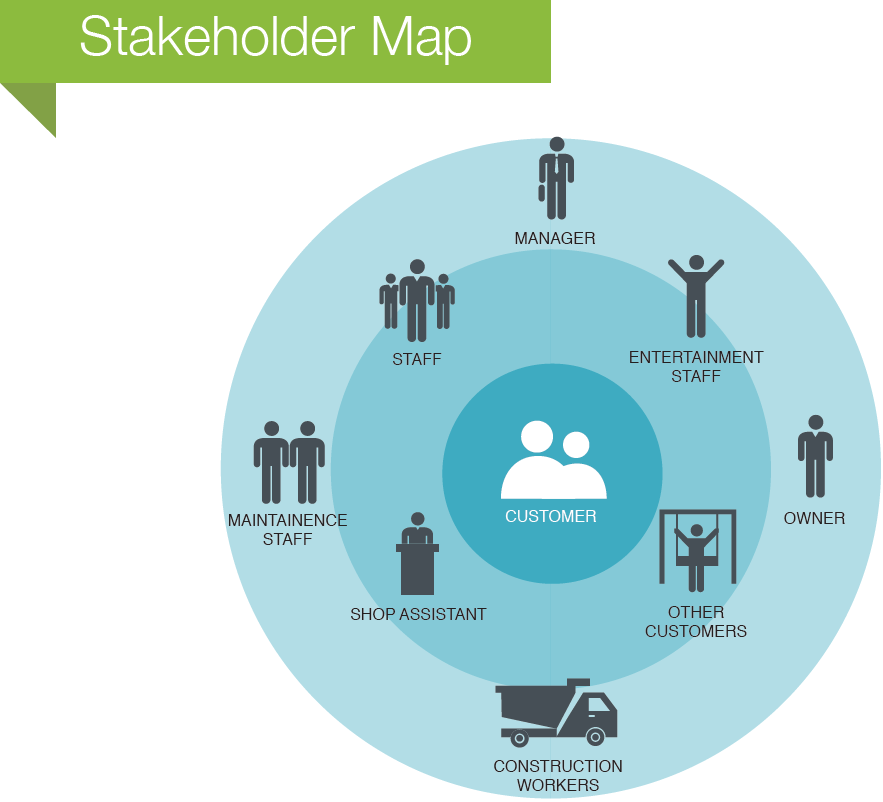
Collecting all our observations, we organized our research into deliverables such as a trigger map and stakeholder map. We practiced design methods such as affinity mapping in order to group all of our findings into a comprehensible list. By throwing all our data together for us to see and using sticky notes, it was much easier for us to compare and move around our data. Creating these deliverables allowed us to visualize the team's discoveries and help our goal to understand the how the museum worked from every point of view.
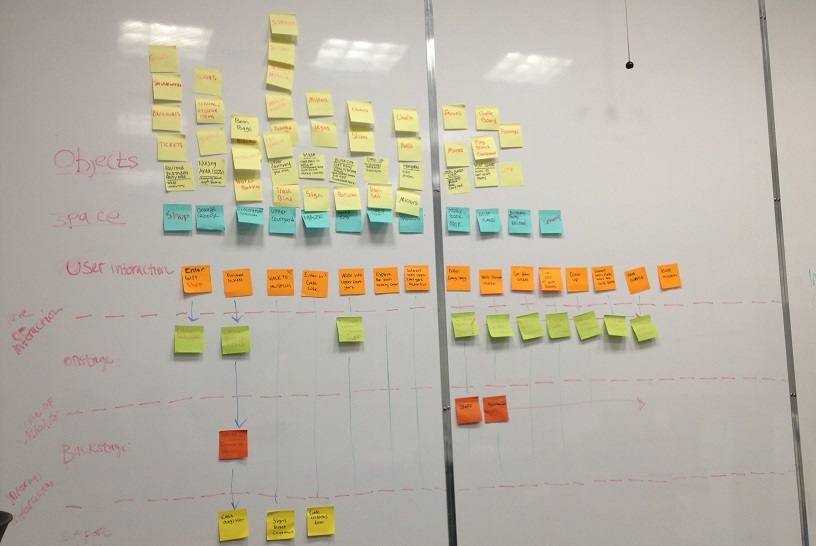
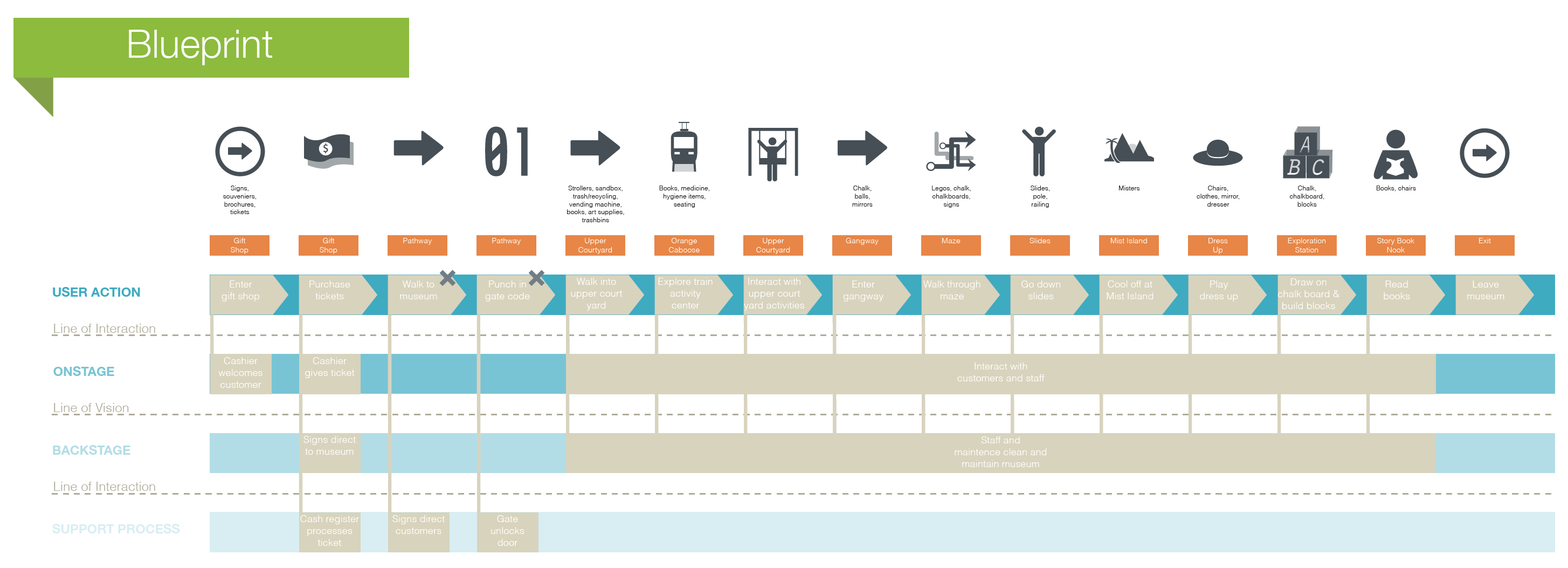
With our research our team was able to show what the customer's complete experience at the Savannah Children's Museum through a service blueprint. The experience was broken down into the user's individual actions when interacting with the museum. These touchpoints show what, when, and how customers engage with the service.
The onstage, backstage, and support processes are simultaneous actions performed by stakeholders that aid the customer. Each of these levels are separated by a 'line of interaction', signifying who interacts directly and indirectly one another. Onstage staff help the user face-to-face, while backstage personnel work behind the scenes. Support processes are inanimate services such as computer systems and signage. Also listed are what physical artifacts and objects the user interacts with as well as the location of each action.
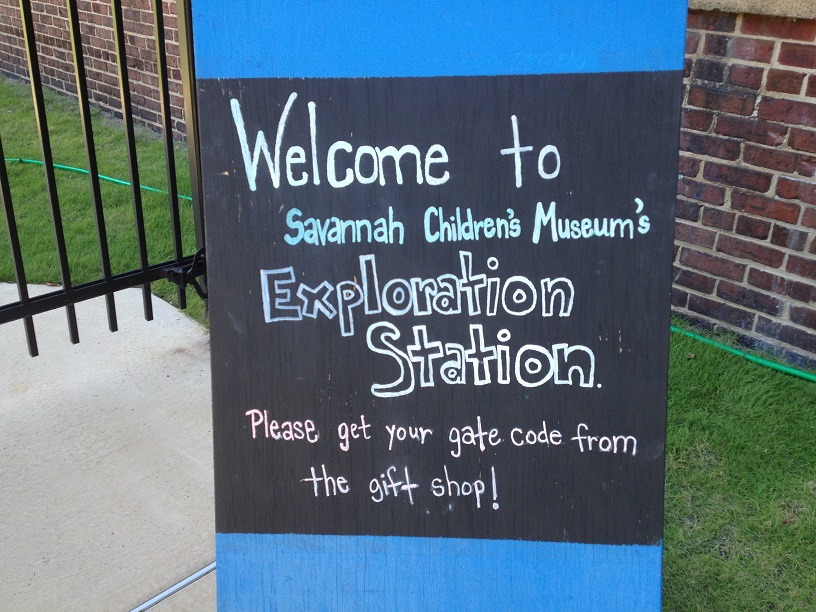
While there were many areas the museum could be improved upon, the main pain points we signified were walking to the museum and punching in the gate code. These were major failure points we saw in the service. Not only was the museum located outdoors with no shade, customers had to input a gate code they received when purchasing their tickets. These pain points were a hindrance to the customers and also for the staff.
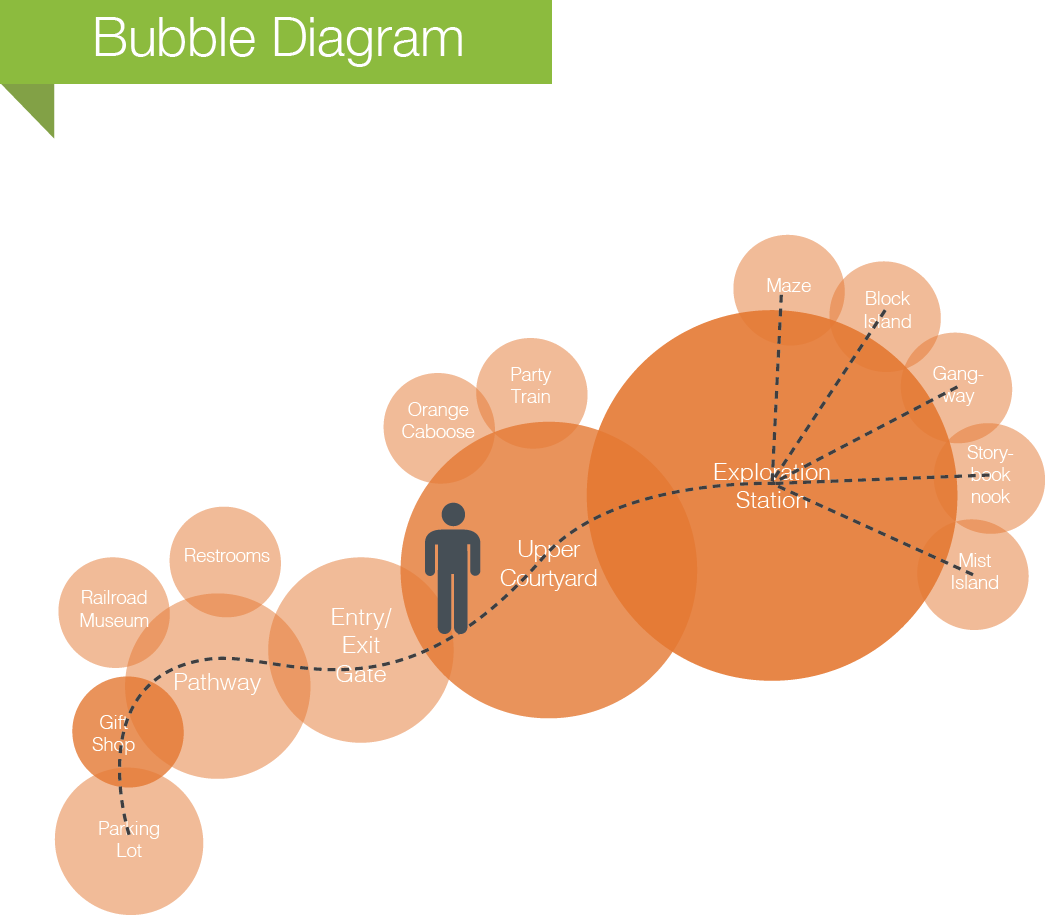
More than just mapping the museum layout, our bubble diagram simplifies our data based on location and how they compare to one another. The size of each bubble represents the physical size of each area in relation to each other and the level of saturation represents how much time users spent in one area. Overlapping bubbles are areas that connect each other.
While individual users have their unique paths, generally a customer will start their user experience purchasing a ticket at the gift shop and make their way into the exploration station to discover the different museum activities.
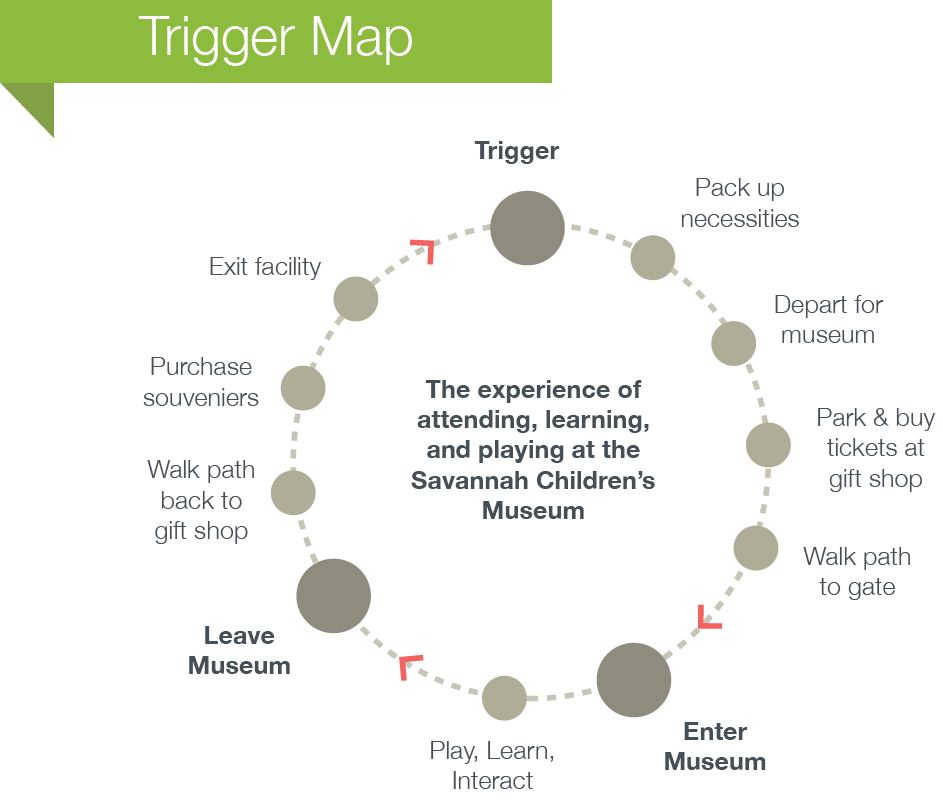
It was important for us to see the complete experience before, during, and after customers attended Savannah Children's Museum. The trigger map primarily displays the path a user takes when prompting the service and departing it.
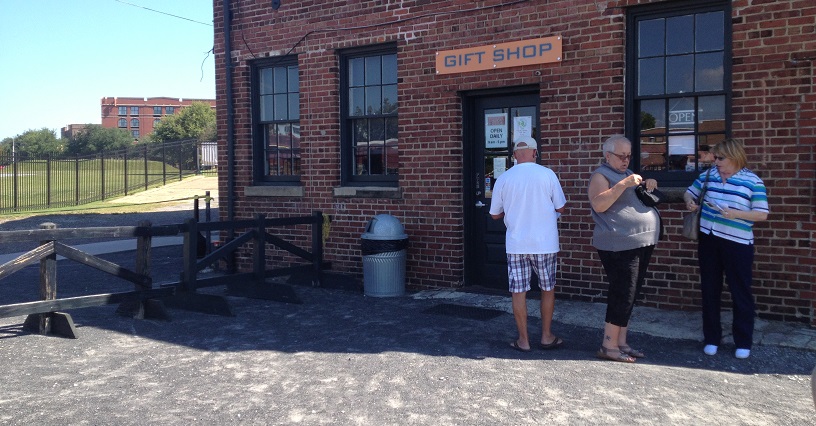
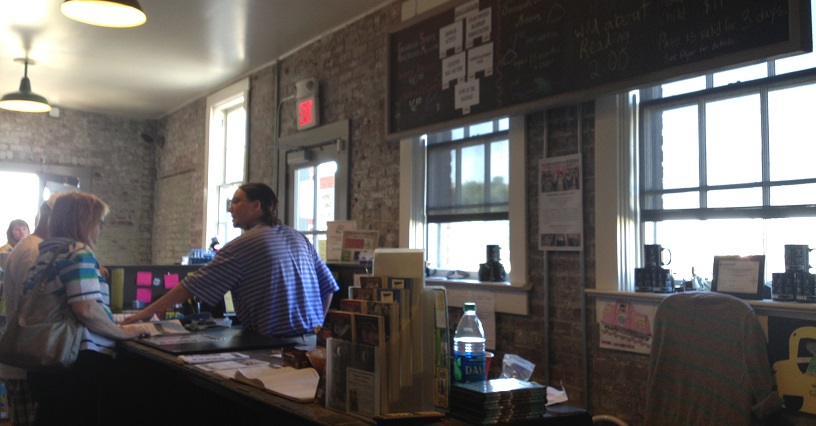
With the way the current museum was laid out, customers began and ended their experience at the gift shop, as it was both the entrance and exit for the museum. The gift shop was a small building where customers not only shopped for souvenirs but where they also first purchased and recieved their tickets. The place acted as a gateway to the path that led to the main outdoor play area. Leaving the museum through the same shop, users would often buy a memento to remember their museum experience by and trigger another visit in the future. While the gift shop was not attached to the museum itself, it was still an integral part of the museum experience.
Our group of four service designers sought out to discover the Savannah Children's Museum. Through observing, documenting, and interviewing not only did we learn about the museum but also how to effectively and accurately research a service and its users. As a team achieved our goal of taking our findings and visualizing them and truly understanding the experience of the Savannah Children's Museum.