REO x SCAD
The Savannah College of Art and Design's student center houses the Office of Student Involvement, where staff and students organize the school's various clubs and events. The goal of this project is to assist the Office of Student Involvement to re-imagine and reorganize their space and services, providing a more accessible and efficient experience to all students and student organizations.
From our insights our mission evolved to refresh and simplify the service provided by the Office of Student Involvement, seeking solutions to their everyday conflicts around the space they currently operate in.
Project Goals
As a team working alongside the Office of Student Involvement and SCAD Official Design Team, we created project REO to:
Provide an inviting space for students, and the employees of the Office of Student Involvement.
Create a service that showcases the Office of Student Involvement; to clearly guide visitors to the inside space.
Reorganize the working space of the Office of Student Involvement.
Co-Creation Process
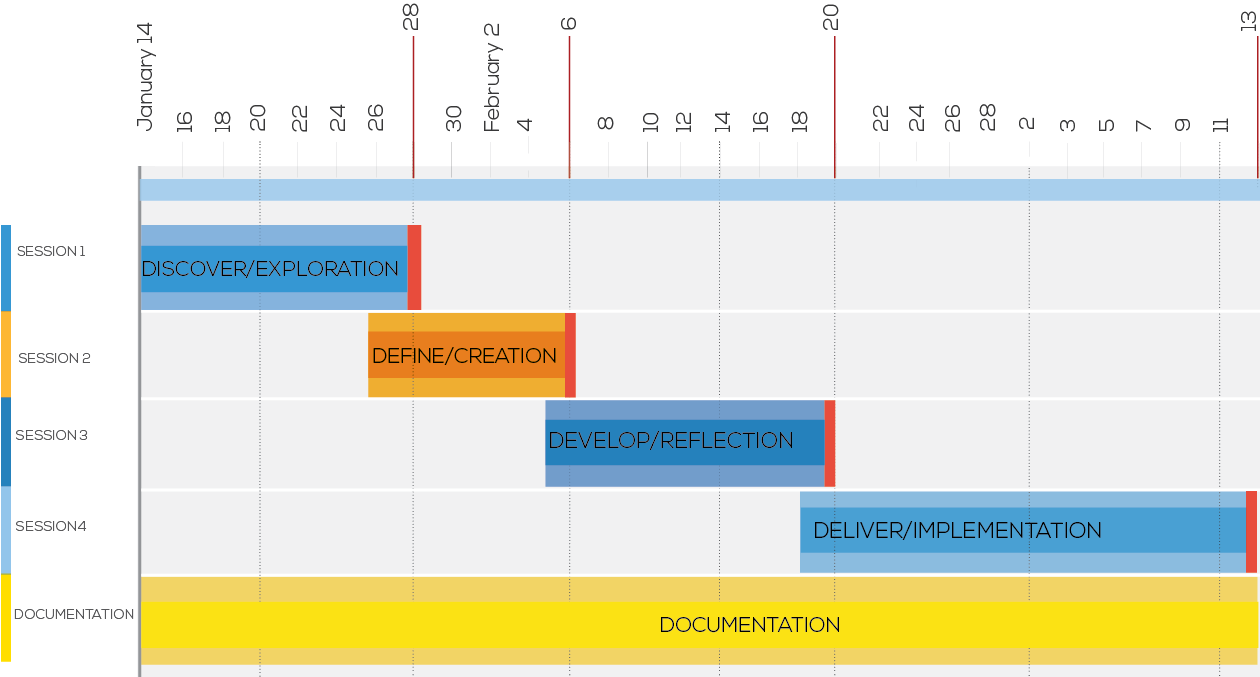
Our team utilized the co-creation process to work alongside the Office of Student Involvement as well as SCAD's Official Design Team to discover, define, develop, and deliver the solutions for the student center's service. For each co-creation session we used three activities to work through each stage of the design process.
My group and I worked on co-creation session 2, leading clients into defining our insights into ideas for solutions. We were also responsible for photographing and documenting the process of the project. Additionally I helped create graphics and illustrated the storyboards for the final concepts.
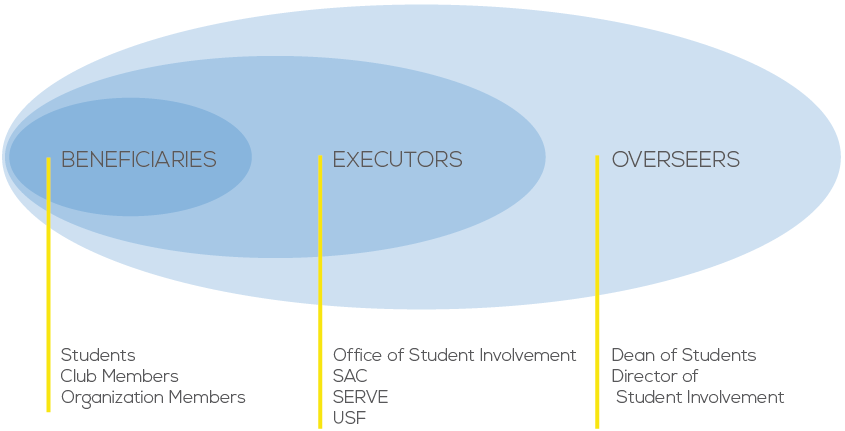
Stakeholder Map
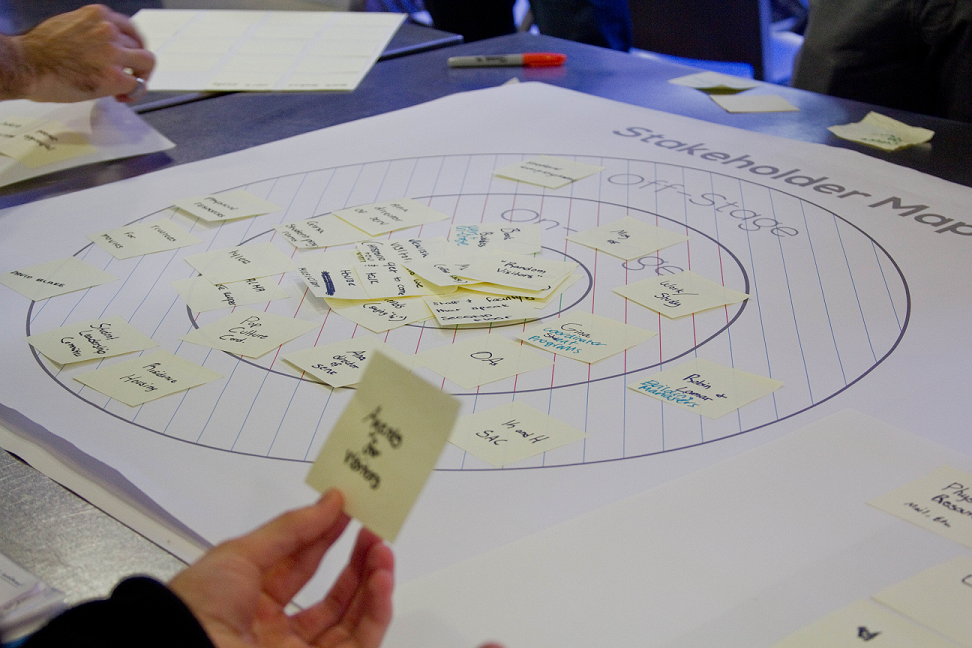
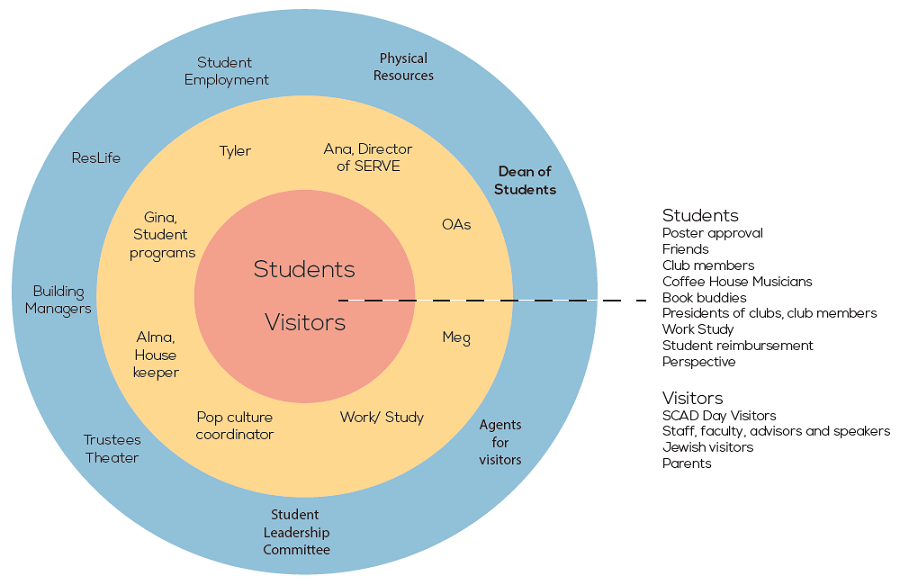
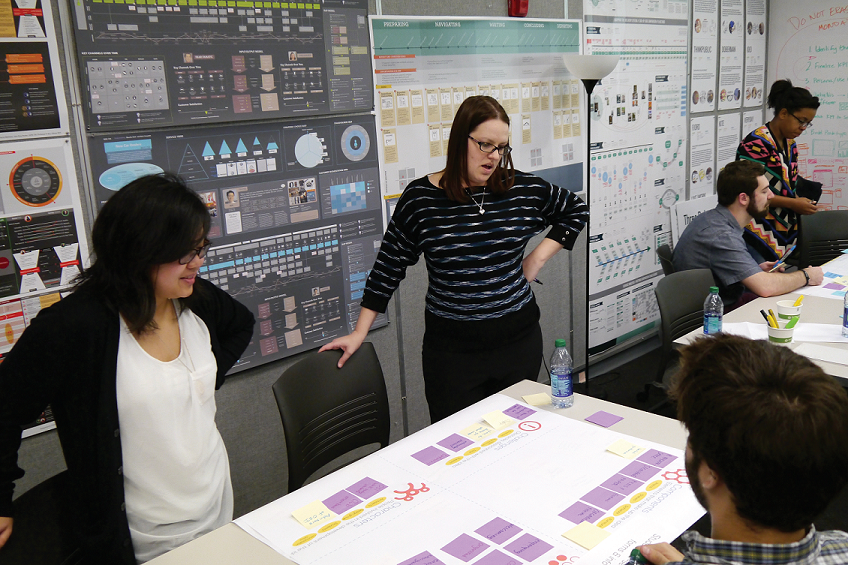
We used the "Name Ball" activity to collect names of different users in the service, then wrote these names on sticky notes. Clients were then guided in placing names on a template to build a stakeholder map.
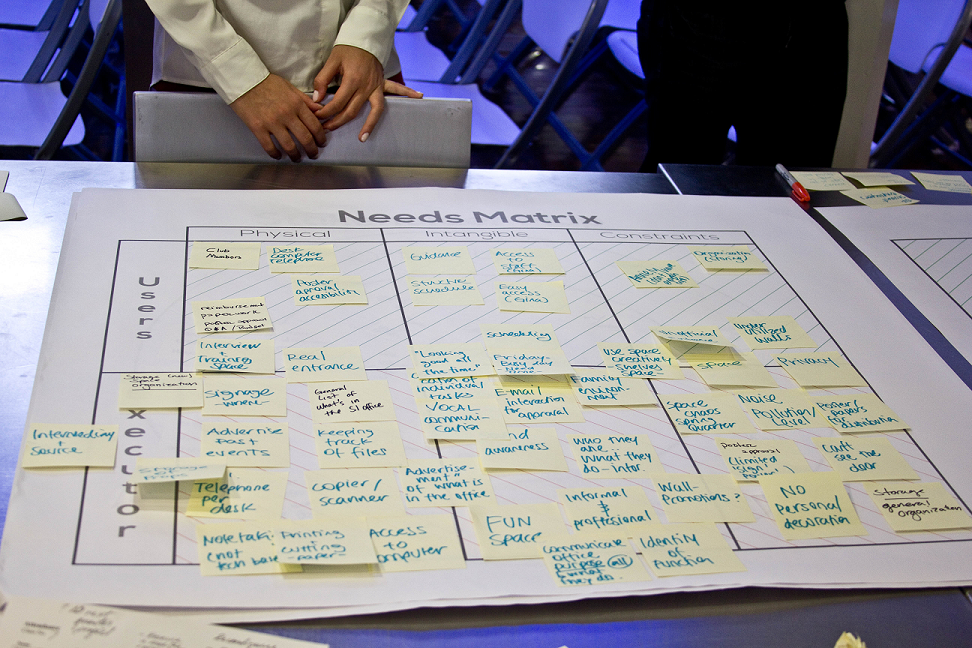
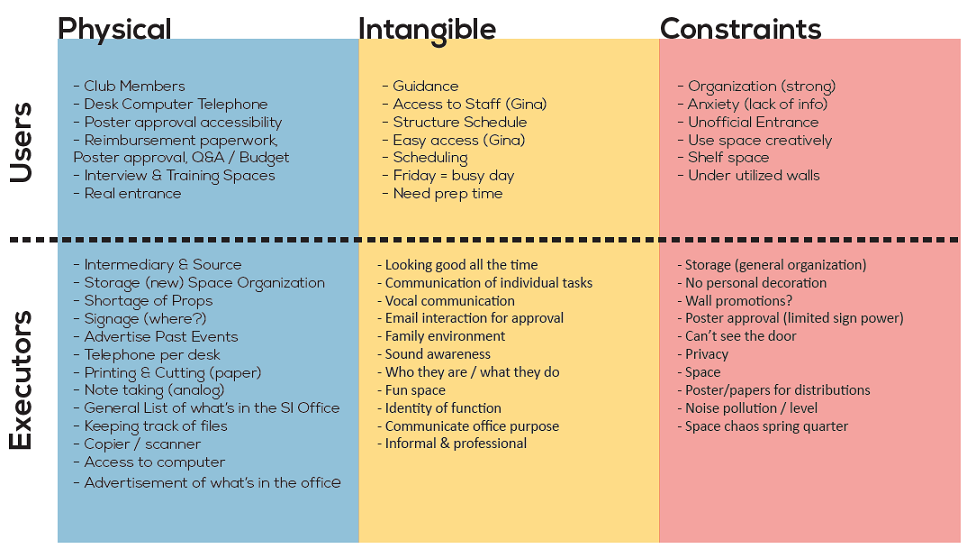
Needs Matrix
Using key stakeholders identified in the previously created stakeholder map, proctors guided the clients build a map identifying needs - tangible, intangible, and constraints of these stakeholders.
SWOT Analysis
We guided clients to build a map that listed the strengths, weaknesses, opportunities, and threats of the service. This map displayed an analysis of service's current framework and detailed what were the expectations and scope of the project.
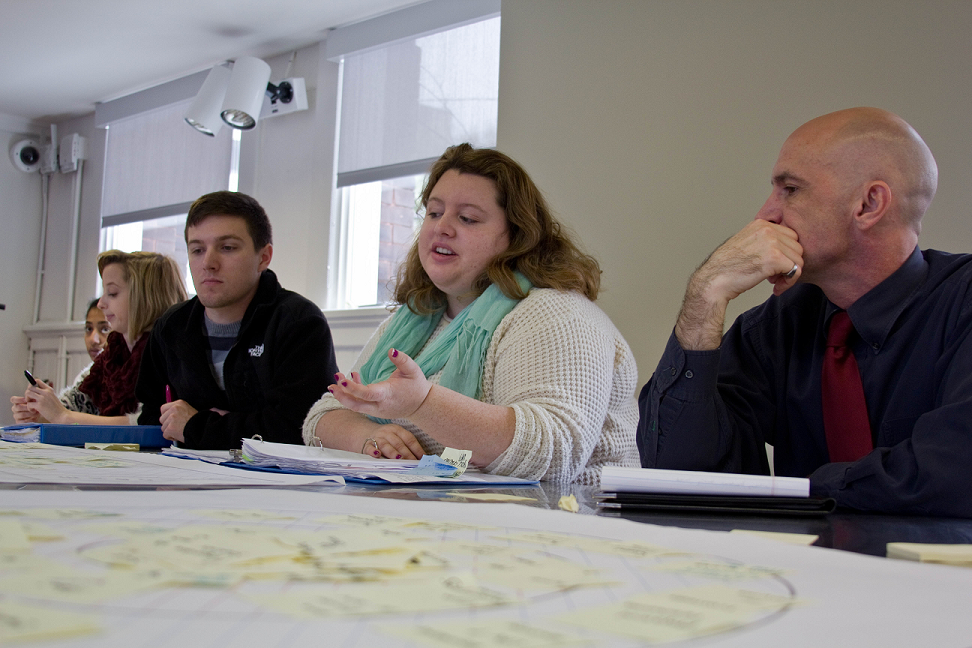
Co-Creation 1 Insights
- The three categories for solutions are space, service and awareness.
- Service providers (both students and regular staff members) rely and support each other at different steps of the overall service experience
- Work stations have limited flexibility and are inefficiently utilized. This created lack of space and cluster around the office.
- Communication between service providers and students across all platforms is poorly connected, resulting in inefficient and unpleasurable service experiences.
- Student traffic in the office is varied. The system (focus on service providers and the space) has to be easily adaptable in order to fit constantly ranging numbers of visitors.
Options
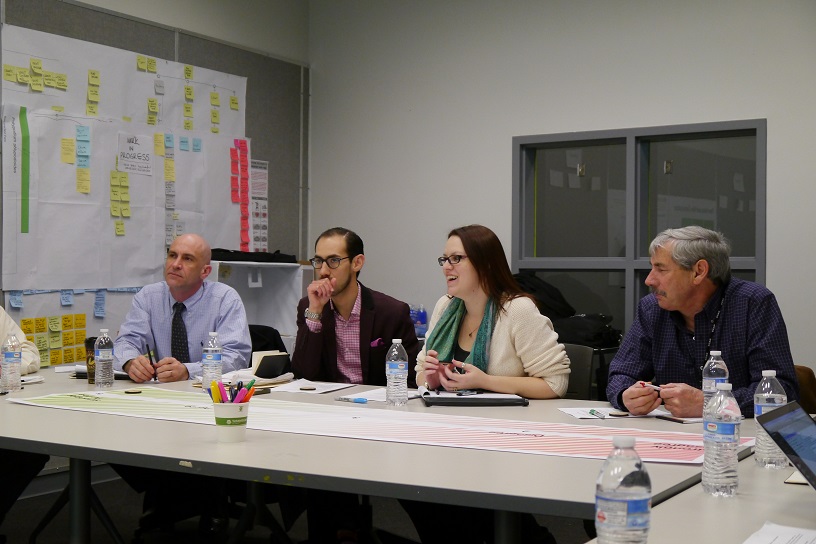
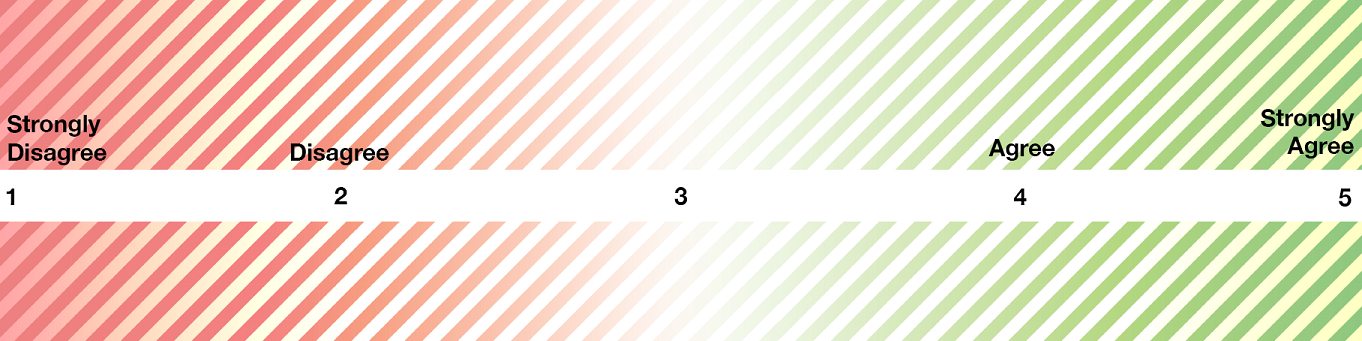
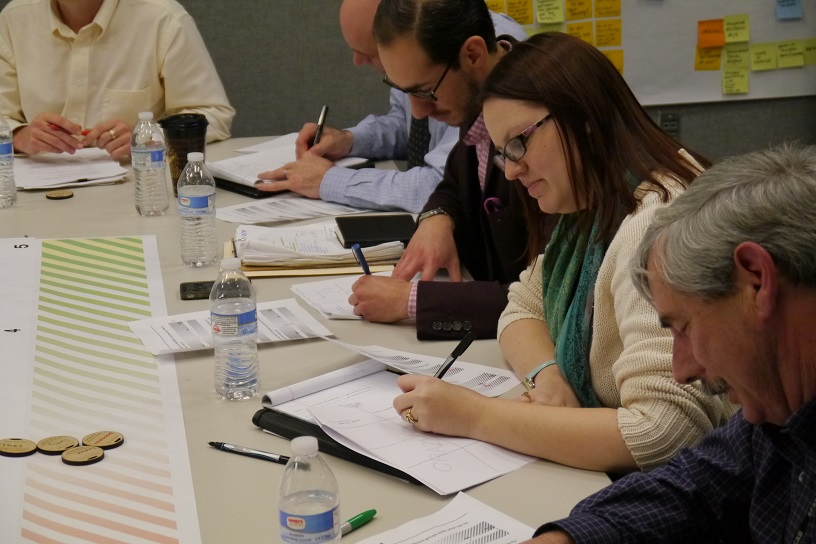
We used a rating game to determine which problems to focus on. Clients were presented problems dealing with space, service, and awareness. The representatives placed a token on a scale of one to five, one being strongly disagree and five being strongly agree.
Crazy 8's
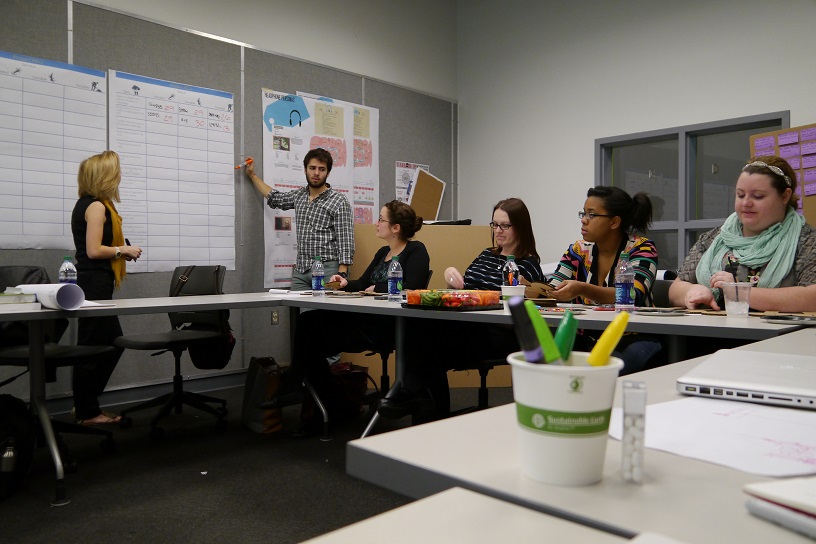
Using a paper divided into eight sections, we quickly generated solutions based on space, service, and awareness. Clients had 15 seconds to fill each box and were encouraged to write or draw solutions.
Grow an Idea
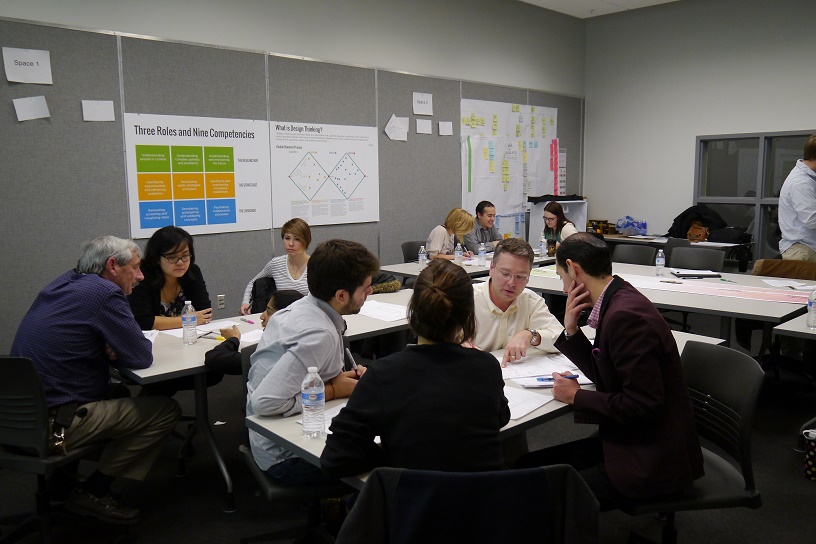
Our team was split into groups that each tackled problems dealing with space, service, and awareness. Each group picked a favorite solution from ideas that were generated from crazy 8's and expanded on them.
Co-Creation 2 Insights
- OSI Staff do not feel that their designated desk is a private workspace
- Phones CAN be moved to different locations within the Student Center
- There is a lack of storage space in the office
- Many OSI processes can be handled through online approval system
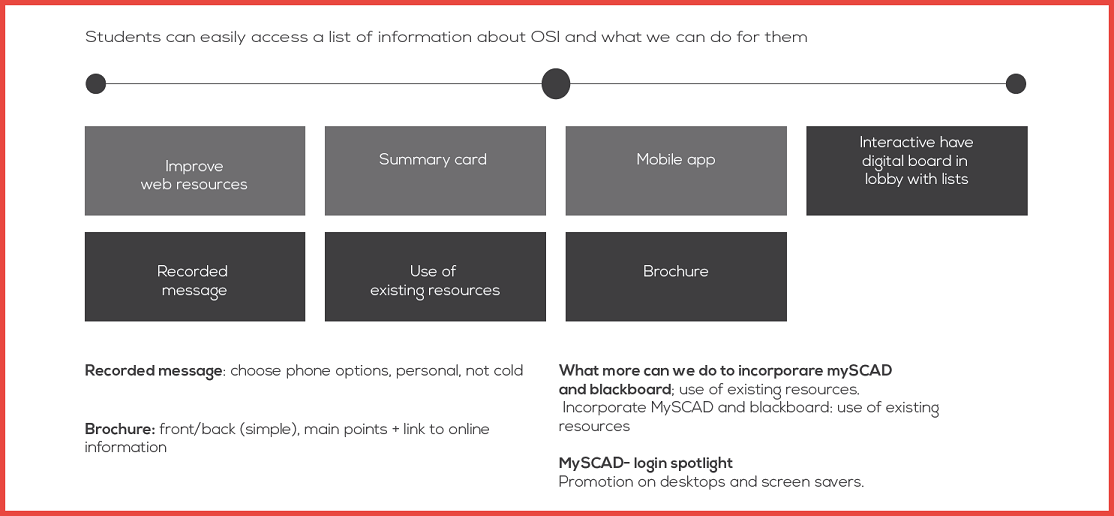
- There is no easy-to-access list of everything OSI can do for students
4 C's
We ranked various solutions to previously discovered problems then explored these solutions based on characteristics, constraints, components, and characters.
NUF Activity
We used a chart to rank our solutions by scoring based on needs, usability, and feasibility. The NUF decision matrix allowed us to gain insight into the value of the ideas while considering the feasibility of them.
Space Maps
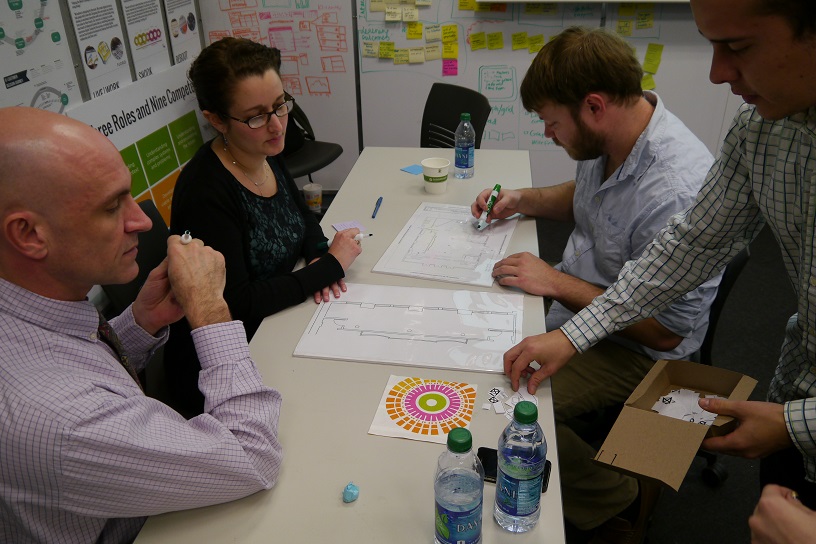
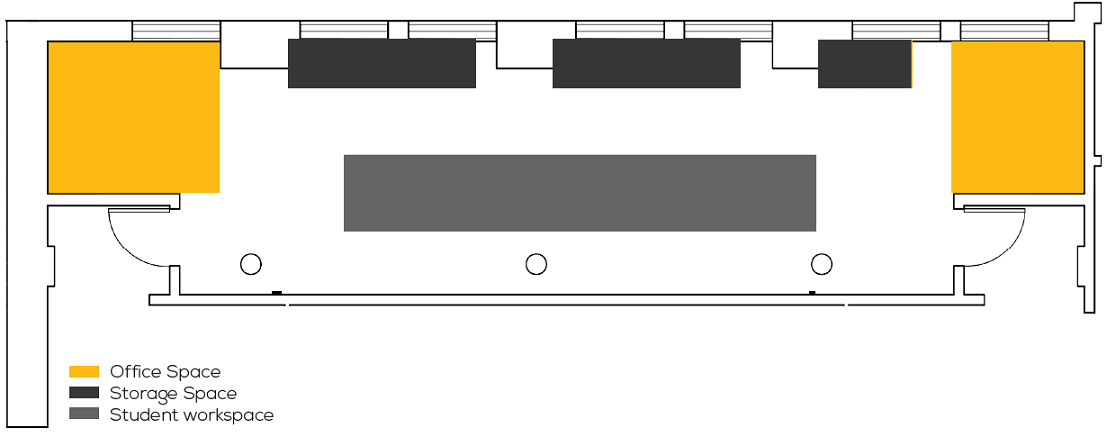
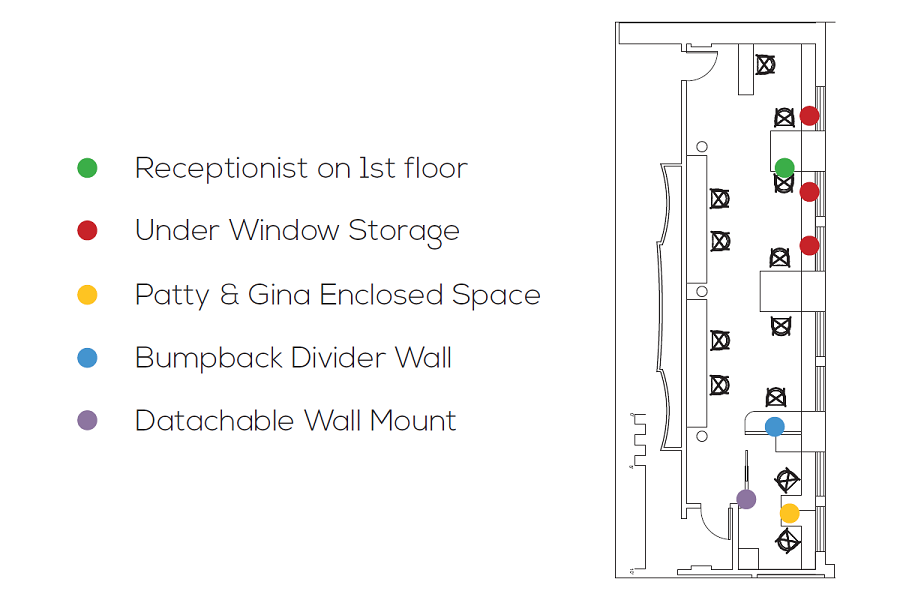
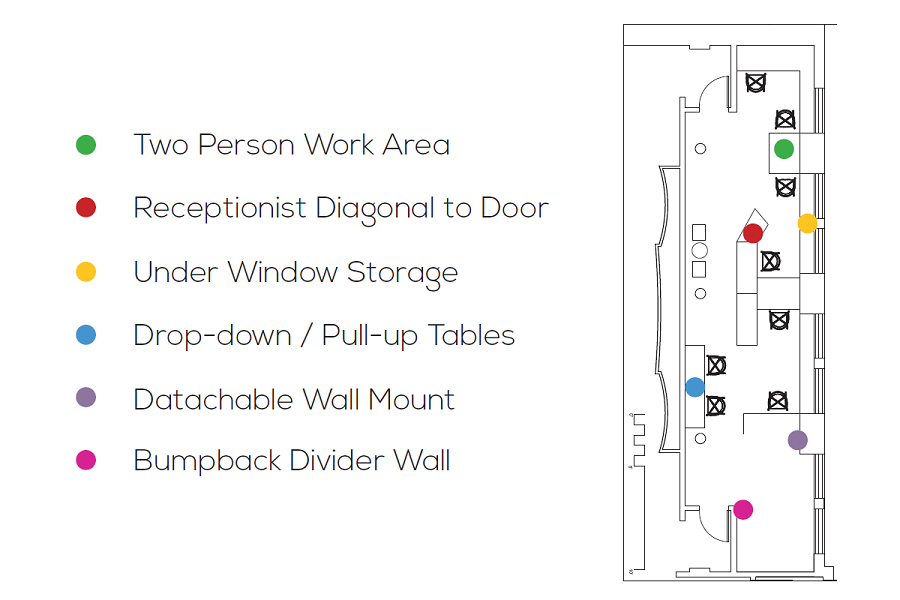
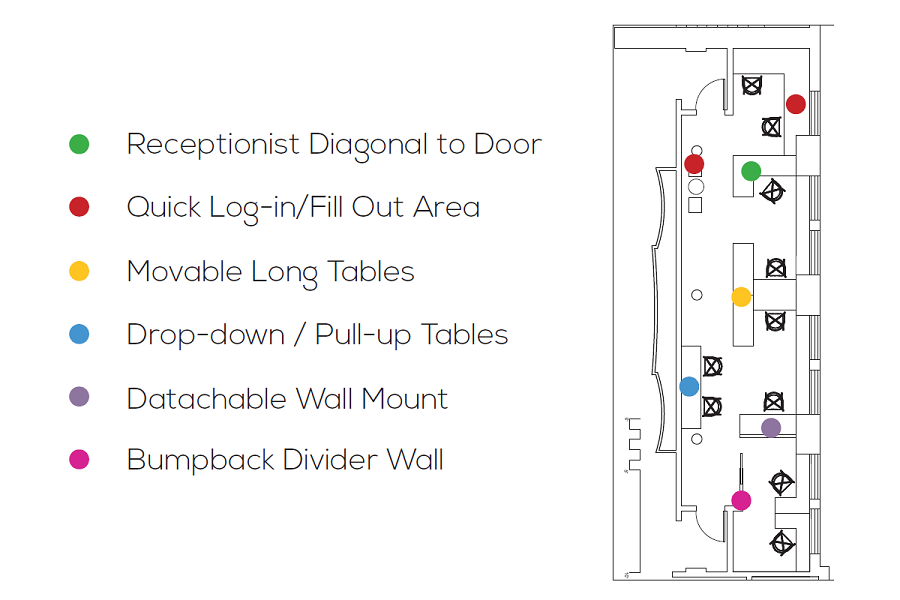
Using maps of the office, we came up with new layouts by drawing and placing placeholders where we wanted to tranform the office.This map activity helped consolidate the fact that all members of the team had the same idea for reorganizing the space. The maps show the ideas we developed in our co-creation sessions in the physical space.
Co-Creation 3 Insights
- OSI intro mailer ranked the highest with a score of 87 out of 90, indicating a high value to the OSI staff and a high level of feasibility
- The ten highest ranked ideas from the NUF matrix were:
- Student center tab on MySCAD,
- OSI introduction mailer to new students
- Student self-service for forms and info
- Dedicated workspaces for permanent staff
- Wayfinding signage-signs on desks with names of clubs and members
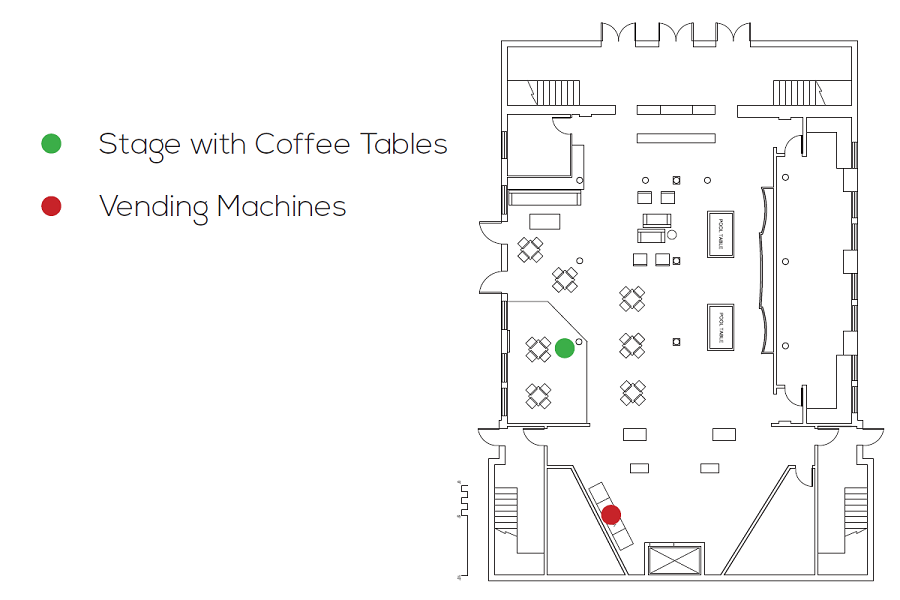
- Repurpose of vending machine space
- Online student resource education system
- Interactive calendar and bulletin board in common area
- Create a unified blog
Solutions
From our co-creation process we defined space, service, awareness as the key problems with the Office of Student Involvement. We developed solutions that dealt with these three issues, keeping in mind the feasibility of implementing each idea and how each solution was valued to the clients.
Branding
Many students did not know that the Office of Student Involvement even existed. By creating a brand, it would increase awareness and students would recognize the organization.
Wayfinding and Signage
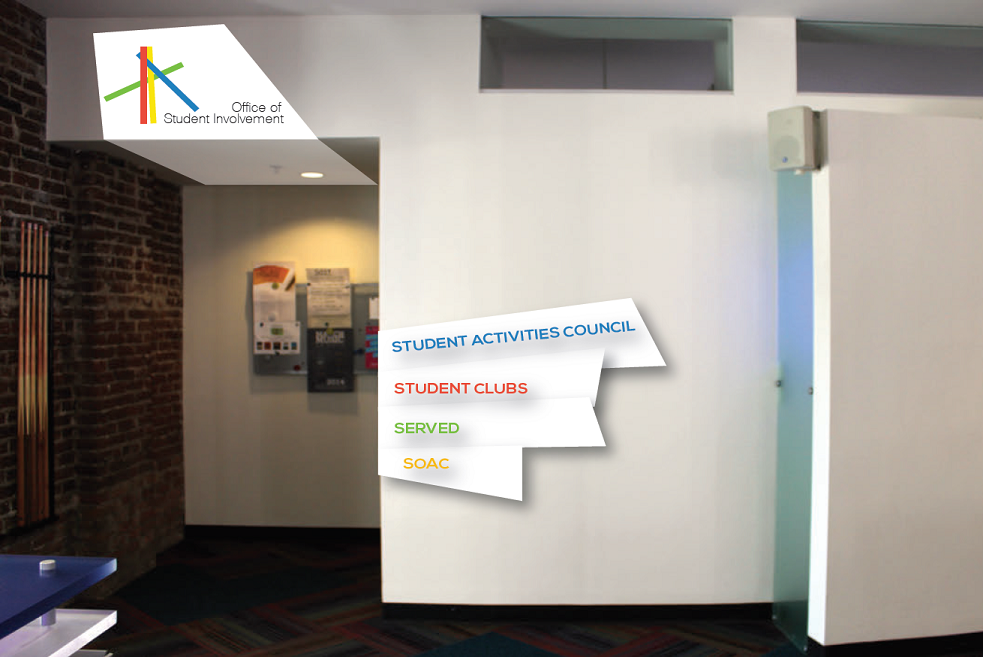
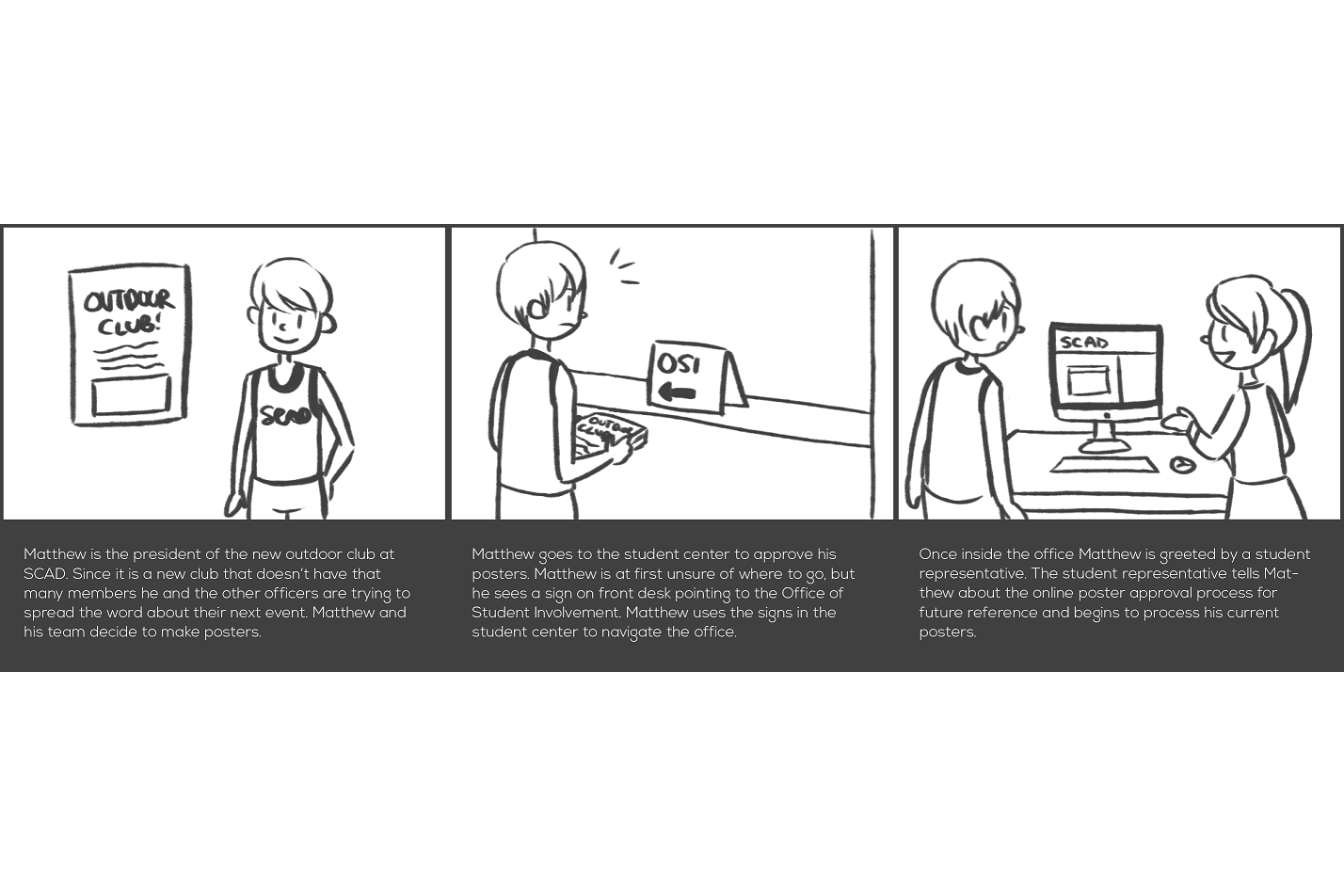
Not only were students unaware of the service, they were also not able to easily find the Office of Student Involvement with nothing signifying where the office was. Introducing wayfinding and signage that clearly labeled the office's location and what organizations that could be found there. Paired with the new branding, the Office of Student Involvement becomes easily recognizable for students to discover.
Interactive Bulletin Board
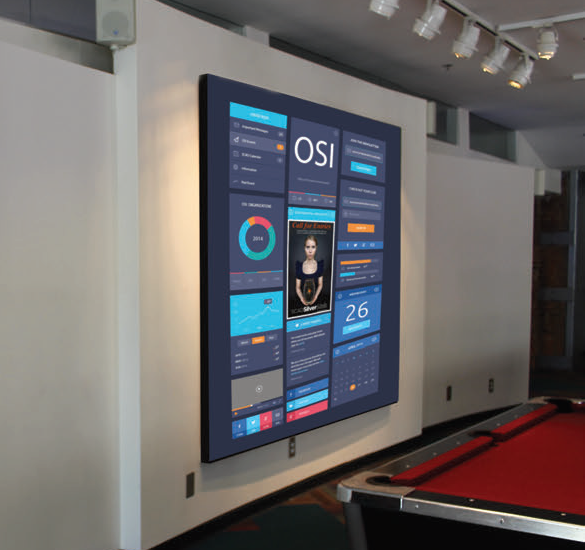
Empty unused walls in the student center next to the office allows an opportunity to install an interactive bulletin board. It would contain a calendar of events and a bulletin board for students. The wall placed in the center's common area allows gives users access to information involving student involvement as well as attract students' attention to the service.
Student Center Section on Campus Website
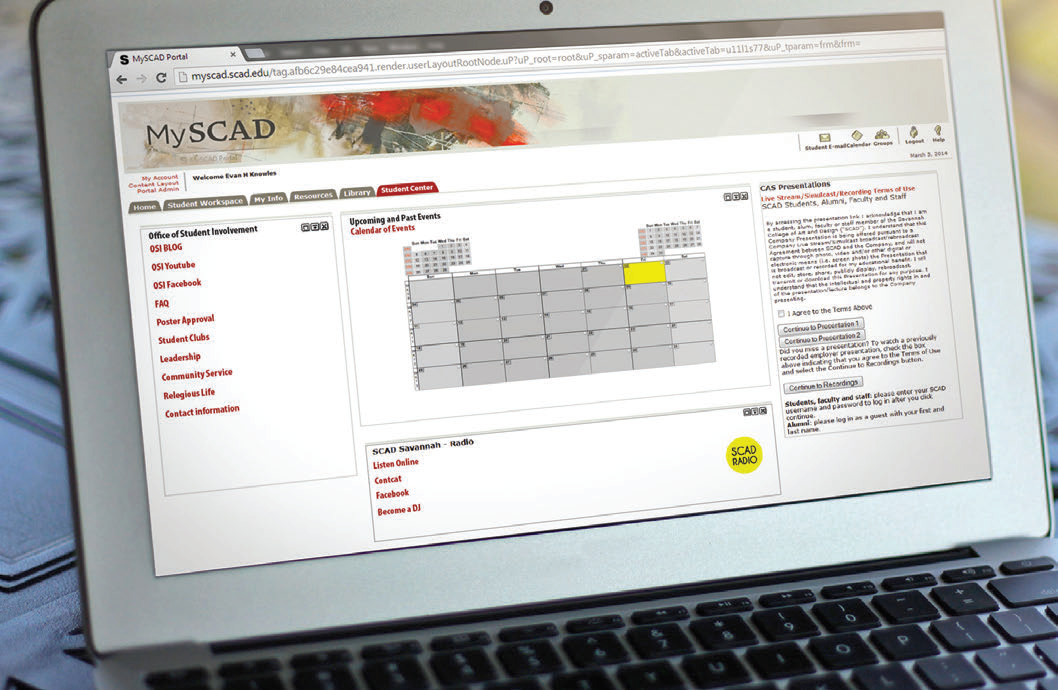
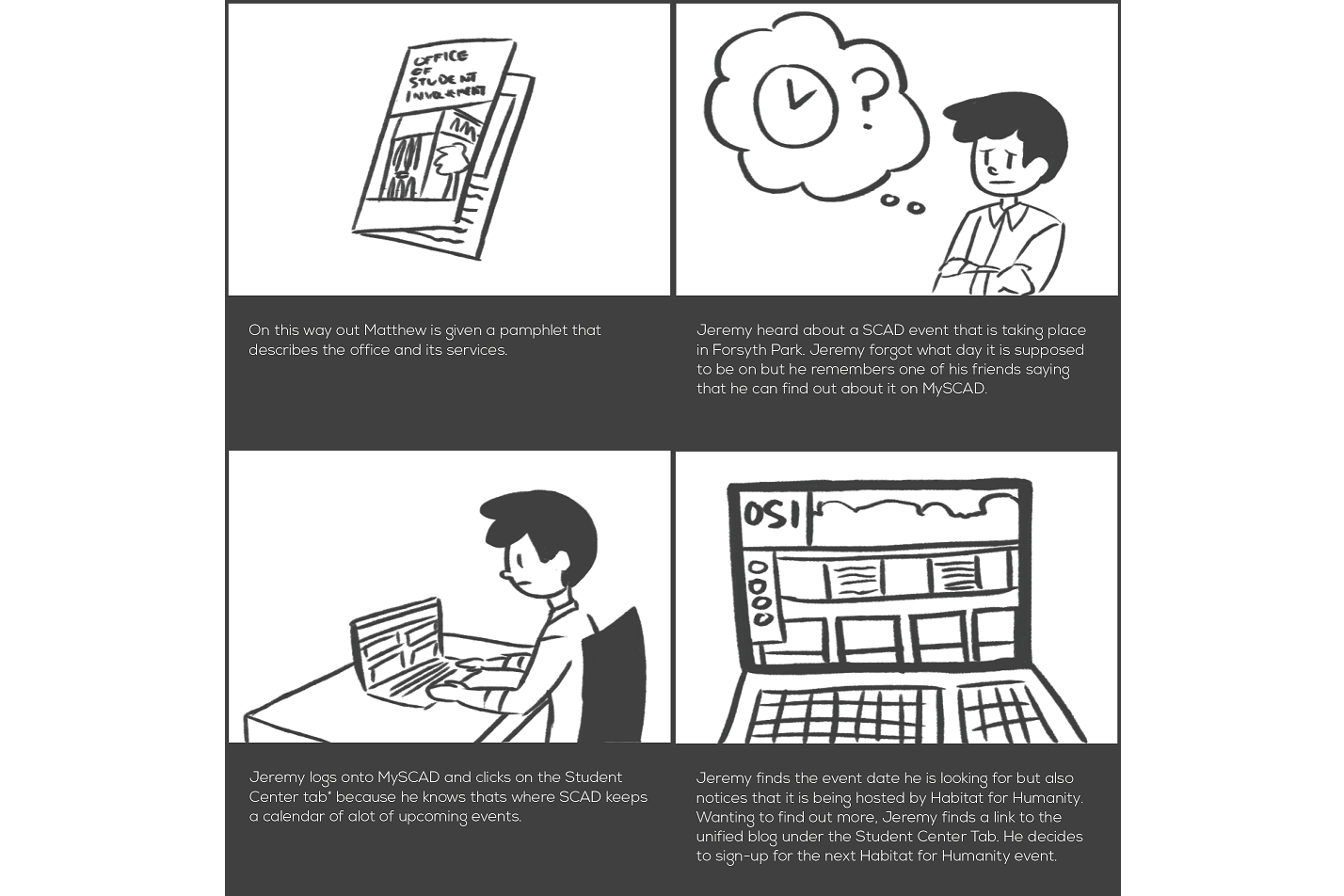
The MySCAD website is a touchpoint for many of the university's academic services. Implementing a student center tab on the MySCAD website creates a touch point for the Office of Student Involvement for students to access. Here students could find a calendar of events and related student involvement links that staff can point to when directing users to their service.
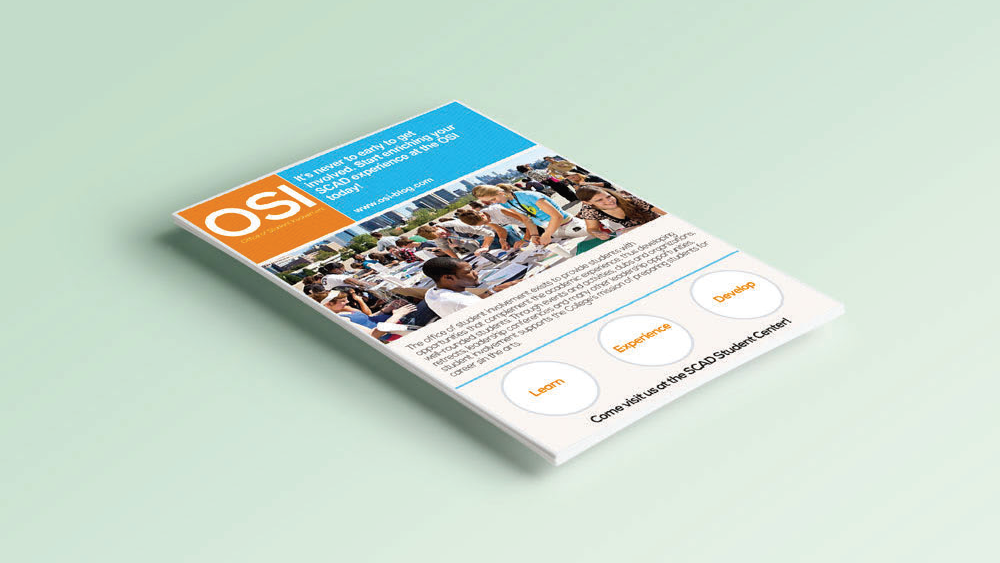
Introduction Mailer
The introduction mailer was voted to be the most feasible solution for increasing awareness of the Office of Student Involvement. It introduced new students the purpose of the office and its functionality. The mailer can be sent to dorms and encourage students to become more involved in the school's student-led activities.
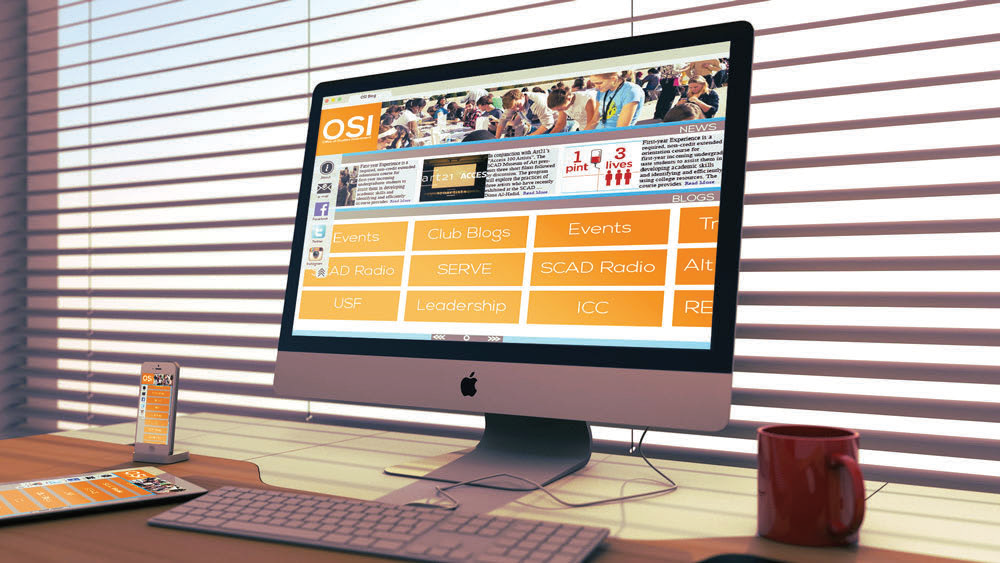
Unified Blog
Each club had a separate blog and only a list of each club could be found on the student involvement's website. By creating a unified website that listed all of the club blogs, students can explore different organizations and events they can join. This also increases the awareness of the Office of Student Involvement and it's purpose to oversee these clubs. Other services can also be offered here, such as requesting flyer approval, making the process easier to submit and handle.
Floor Plans
We outline various ways to reorganize the office, to give the Office of Student of Involvement different options in regards to how they wanted to recreate the space. We reorganized the work areas, created offices, and introduced different storage solutions. In the main area of the student center we moved around the vending machines and added in a stage area for student held events in the center.
Storyboards
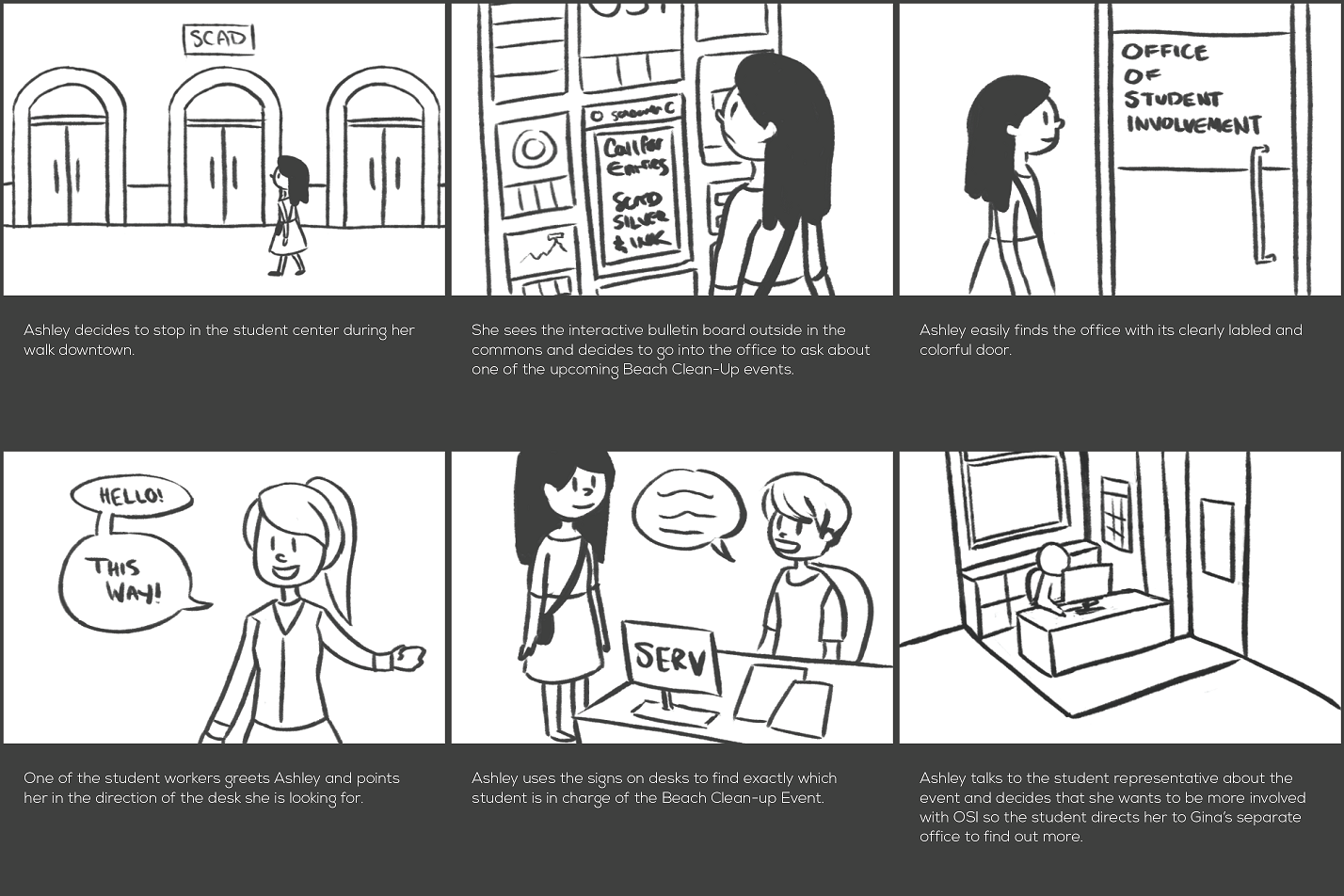
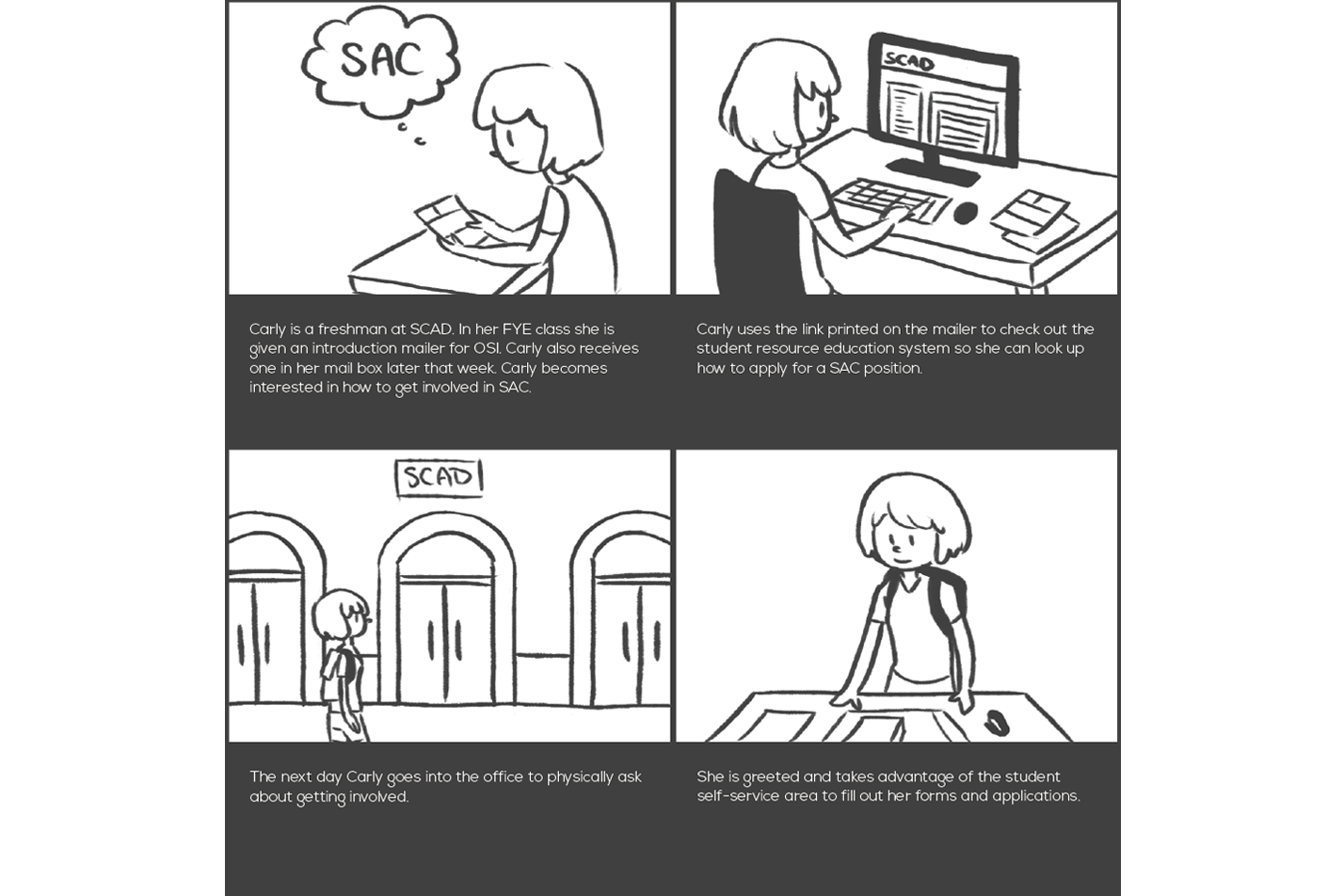
We created storyboards that displayed our solutions dealing with space, service, print communication, and online communication. The storyboards encompassed all of our solutions and each scenario outline how they solved different problems of the service.
Reorganizing and Refreshing the Office of Student Involvement
Through the co-creation process our team collaborated with the Office of Student Involvement to re-imagine and reorganize their space and services, providing a more accessible and efficient experience to all students and student organizations.
This project was a great opportunity to work directly with the clients and the SCAD Official Design Team. A few challenges we faced were coming up with effective co-creation methods to lead our clients while learning how the process worked at the same time.
Through Project REO we created concepts that would provide an inviting space for both the students and employees of the Office of Student Involvement. We were able to clearly guide visitors to the inside office space and reorganize the working space of the Office of Student Involvement.